What is known
In 2026 the REACH committee voted for a restriction on placing lead sinkers, lures and wire on the market. The measure is adopted at committee level, with transition periods that differ by product. Final dates depend on formal publication, so treat every date you read as provisional until the text is published.
This article describes the planned restriction in general terms. It is not legal advice, and you should read the published regulation or ask your national authority before you decide on stock.
What the transition periods look like
According to the committee vote, transition periods are shorter for drop-off weights and for wire. For weights and lures up to 50 g the period is about three years, and longer for heavier items. We do not give calendar dates here, because they depend on publication.
| Product group | Expected transition |
|---|---|
| Drop-off weights, wire | Shorter |
| Weights and lures up to 50 g | About three years |
| Heavier items | Longer |
Who is affected
Anyone who places lead tackle on the EU market: manufacturers, importers, distributors and shops. Stock that is already on the market may be sold under the rules of the final text, but new imports will be affected first. If you import, check what applies to each article before you place orders that arrive near the end of a transition period.
- Lead split shot, sinkers, feeder weights and leger weights.
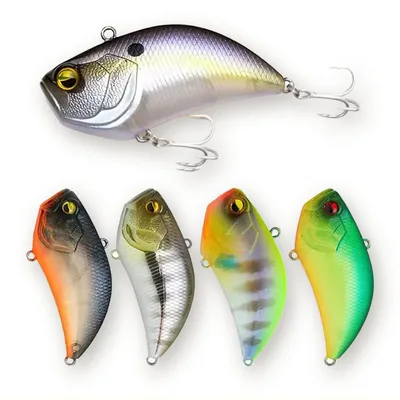
- Lead-headed jigs and lead-based lures.
- Lead wire and lead-cored leaders where covered.
Alternatives and their trade-offs
No single material replaces lead everywhere. Each has a cost, density and use.
- Tungsten. Very dense, so weights are small and sensitive. It is the most expensive option and is common for jig heads and finesse rigs.
- Steel. Cheaper and widely available, but less dense, so a steel weight of the same mass is larger. It suits feeders and general leger work.
- Brass. Dense and easy to shape, used for bullets, beads and some jig heads.
- Bismuth. Often used for split shot and small weights, a softer material that behaves similarly to lead.
Pack sizes and weights are the practical issue: a steel feeder of the same gram weight is bigger, so check how it fits your customers’ rigs and casting distances. Our lead-free tackle page lists the weights, jig heads and lures we source.
What shops should do now
- List your lead lines. Weights, sinkers, jig heads, lures and wire by SKU, with annual sales.
- Check weight classes. Items up to 50 g and heavier items face different periods.
- Add a lead-free section. Even a small shelf lets customers compare and builds familiarity.
- Ask suppliers for material data. Request the alloy composition for every weight, as metal content varies and some products labelled as lead-free contain traces.
- Clear existing stock gradually. Avoid a large final order of lead goods near the end of a transition period.
Pricing the switch
Lead-free weights cost more than lead, and tungsten costs most of all. Prices per piece depend on weight, material and pack size, and our catalogue shows the factory MOQ and an indicative “from” price for each item. Plan the shift in stages: begin with the products where the weight is small and the margin can bear the cost, such as jig heads and split shot, then extend to heavier items.
Communicate the price difference openly. Customers who understand the reason accept a higher price more easily than those who see it without explanation.
Own brand lead-free ranges
A lead-free line can carry your name. Weights can be packed in your own blister cards or boxes with your logo, EAN and multilingual labels. The minimum per model is 300, and production takes 25–45 days after approval. Since many brands have not yet announced alternatives, a clear lead-free range can set a shop apart in the spring season. See the private label page for the options.
Questions to ask any supplier
- What is the exact alloy, and can you show the composition?
- Does the coating or paint contain lead or other restricted substances?
- What are the weight tolerances for each size?
- How are the goods packed, and what is the inner pack quantity?
- Which documents come with the shipment?
Material declarations and testing
For lead-free claims, you need evidence. We ask partner factories for the alloy composition and, where a test report exists, you can see it. We do not claim that products are certified unless a report is available. Our quality page explains the checks we run on incoming goods.
Other rules that apply to the same products
Lead is not the only concern. Soft plastic lures can contain phthalates, and rubber or EVA grips can contain PAH, both covered by REACH. Packaging must carry the GPSR information, and warnings must be in the language of the country of sale. If you also sell through online marketplaces, the same data must appear in the listing.
Customers will ask
Anglers hear about restrictions through clubs, forums and magazines before shops do. Staff should be able to explain the difference between materials and say honestly that dates are not final. A short leaflet next to the lead-free shelf helps.
Storing and labelling during the transition
If you sell both lead and lead-free weights, keep them physically separate and label the shelf clearly. Mixed bins cause returns and complaints. In online shops, add the material to the product title and the specification, for example “tungsten jig head, 7 g”, so that search results show the difference.
Keep records of purchase dates and quantities of lead items. If the final text asks for proof of when stock was placed on the market, those records will matter.
Review the plan every quarter until the regulation is published. A short checklist with owners and dates keeps the topic from slipping behind the season.
Working with us
We supply tungsten, steel, brass and bismuth weights, lead-free jig heads and lures, with private label packaging if you want your own brand. Send us your current lead range and we will propose lead-free equivalents with MOQ (300) and lead time (8–12 weeks).