Why carp tackle is different
Carp anglers buy a system: shelter, bed, chair, alarms, pod and accessories. They stay for hours or days, so comfort and reliability count. The products are also large, which means freight is a major part of the cost and tooling is more involved than for a lure or a hook.
Most European brands offer private label only on small items. Chairs, bedchairs and bivvies are usually reserved for big brands because of the minimums. We show terms openly in the carp tackle catalogue and on the private label page.
Chairs and bedchairs
These are the products where design and materials differ most. Brief the factory on:
- frame material (steel or aluminium) and tube diameter;
- fabric type and weight, stitching and padding;
- load rating, which the factory states and which you verify by test;
- adjustable legs for uneven banks and mud feet;
- folded size and carton dimensions;
- colour of fabric, frame and trim, plus your logo placement.
Bedchairs add a mattress, sleeping-bag compatibility, leg count and a fold that does not trap fingers. Test them by sleeping on them and by folding and unfolding fifty times. Weak joints appear quickly.
Bivvies and brollies
Check fabric first: material, coating and hydrostatic head in mm if the factory declares it, plus seam taping. Poles should be fibreglass or aluminium and strong enough for wind. Ask about groundsheets, vents, doors and storm straps.
Water-repellent coatings fall under PFAS rules. Restrictions on PFAS and PFHxA for coatings on clothing apply from 10 October 2026, and we request PFAS-free coatings on shelters and clothing where needed. Ask your supplier for a statement and keep it on file. The shelters category lists current models.
Bite alarms and electronics
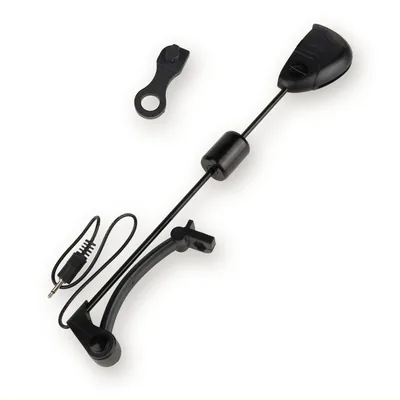
Bite alarms, receivers and lights are electronic products. They need CE marking (EMC and RoHS), and the Radio Equipment Directive applies where wireless receivers are included. Portable batteries fall under Batteries Regulation 2023/1542, with the removable-battery rule from 2027. We provide the documents the factory can supply and flag gaps early, because a bite alarm without documents cannot be placed on the EU market. We do not call a product certified unless a report exists.
Rod pods, bank sticks and small gear
These are good first private label items. Rod pods, buzz bars, bank sticks, unhooking mats, cradles and throwing sticks are simpler to produce than a bedchair, and your logo can be applied by printing, embroidery or a metal plate. Check weld quality, thread fit and finish on metal parts.
Understanding MOQ and carton logic
Private label minimums for bulky gear are per model and often per colour (300). A container or pallet is a good target. Mixed pallets work when models share a carton type. Ask for the carton dimensions and weight before you commit, because freight quotes depend on them.
| Product | What you can brand | Watch for |
|---|---|---|
| Chairs, bedchairs | Fabric, frame colour, logo, carry bag | Load, joints, carton size |
| Bivvies | Fabric colour, print, bag | Hydrostatic head, seams, PFAS |
| Bite alarms | Housing, tone, packaging | CE, battery, radio |
| Pods, mats | Logo, colour, bag | Welds, padding |
Samples and field testing
Order a sample of each core model (7–14 days) and test it through a full session. Sit on the chair for hours, load the bedchair with a heavy sleeping bag, put the bivvy up in wind and rain. Check how quickly the products pack down and whether they fit the carry bag. Take photos for your own product pages and keep a reference sample in your warehouse for later production checks.
Bags, covers and carry cases
Bulky gear needs bags. A chair with a branded carry case looks better on the shelf and survives transport better. Bags are cheaper to brand than frames and are a good place to begin. Ask for zip quality, stitching density, padded handles and a drain hole, and for the fabric specification in denier.
Inspecting bulky gear
Pre-shipment inspection for carp gear checks frame alignment, weld points, fabric stitching, zip function, logo position and carton marks. Chairs and bedchairs are opened and folded on a sample basis, and load tests are made where the specification gives a load figure. You receive the report with photos, as described on the quality page.
Combining carp gear with camping kit
Carp sessions are camping sessions. Sleeping bags, cool boxes, lanterns and headlamps from our camping range for anglers can ship in the same order, so freight is shared and your customer finds the whole kit with one brand.
Timing and payments
Allow 8–12 weeks from order to warehouse: 25–45 production days plus 25–45 days by rail or sea. A deposit of 30–50 % starts production, with the balance before shipment. Order spring private label by mid-December, and plan carp items in the autumn so that stock arrives before April.
Selling to clubs and fisheries
Carp fisheries and clubs buy chairs and bedchairs in numbers and often want their name on the product. See our pages for fisheries and clubs and promo orders.
Documents to keep
For every branded product, keep the specification, the approved sample photos, the inspection report, the GPSR label data and the factory statements on coatings and batteries. They protect you if a customer, a marketplace or an authority asks about a product, and they make reorders faster.
Common mistakes
- Choosing fabric colour from a screen. Order a swatch or a sample, because camouflage greens and browns vary a lot.
- Ignoring the carry weight. A bedchair that is comfortable but weighs too much will not sell to anglers who walk to the swim.
- Leaving labels to the end. GPSR data and language versions must be approved before printing.
- Buying a full system at once. Start with two or three hero products and add the rest after the first season.
Next step
Send us a list of the carp products you want to brand and the quantities per model. The offer includes MOQ, carton data, lead time and the documents available.